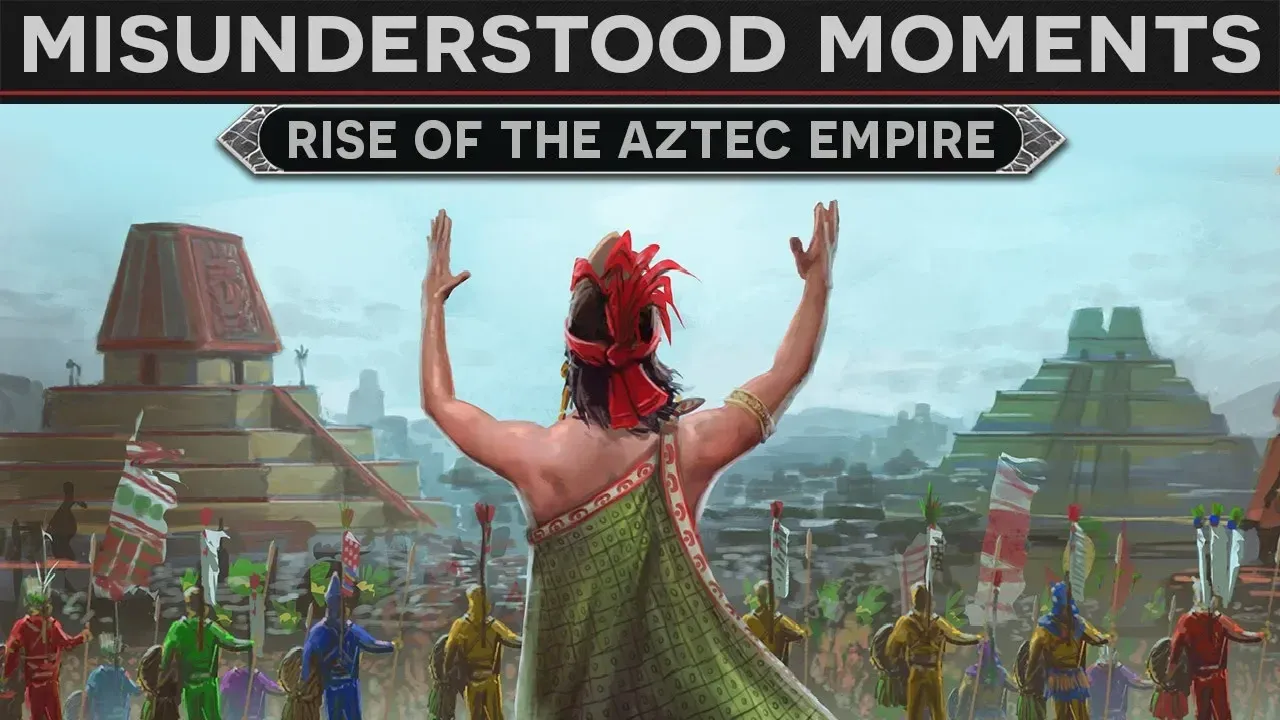

Misunderstood Moments in History - Rise of the Aztec Empire
Misunderstood Moments in History: The Rise of the Aztec Empire
The Aztecs, one of the most iconic standard-bearers of Mesoamerican history, and yet much of what people think they know about the Aztecs is wrong. This is in large part due to the fact that the public is only really introduced to them alongside the discovery of the New World. As such, the average person stumbles upon the Aztecs just as the Europeans did, with lots of preconceptions and no awareness of their past. It is through this limited snapshot that the Aztecs have been remembered and consequently misunderstood. This article will seek to remedy this by providing proper context for the rise of the Aztecs, from their early history to the arrival of the Spaniards.
The dawn of Aztec history is shrouded in mystery. Spanish chroniclers of the 16th century record that they were originally a people from a great island far to the north called Aztlán, the land of white herons. Today, historians trace their legendary homeland back to the central Mexican states of Guanajuato, Jalisco, and Michoacan, though its exact location is disputed. It is from here that an oral-speaking people, later referred to as the Aztecs, began to migrate toward central Mexico. According to their mythology, this exodus was part of a celestial command to abandon the seven caves of Chicomoztoc and emerge into the light to explore the world. From these seven caves came seven tribes; however, not all groups left together, and it was apparently some 300 years before the last tribe, the Mexica, began their journey. It is their story which we shall be following today.
At the time, many similar migrations were taking place over the course of the 10th to 12th centuries AD, driven on by environmental and societal pressures. For several decades, these semi-nomadic groups wandered across the lands, passing down a rich oral history of their journey. Along the way, the Mexica were supposedly guided by Huitzilopochtli, later identified as the God of War, who favored them above all others. As they traveled, they would rest for periods of 10 to 20 years, founding small towns before moving on again. These travels were filled with many trials and tribulations, which included starvation, rebellion, warfare, magical curses, and celestial destruction, but a dogged perseverance would see the Mexica through. They were a people on a mission.
Eventually, the many migrating groups began to filter into the Valley of Mexico. The Mexica were amongst the last to arrive in 1285. By now, most of the land was already claimed by one people or another. The Mexica attempted to occupy territory but were continuously forced to move on. Eventually, they managed to settle and fortify a place called Chapultepec, the Hill of Grasshoppers. However, tensions with their neighbors rose, and in response, the Mexica elected a warrior as their leader, thus marking their evolution into a militarily aggressive society. According to the Spanish chronicler Diego Durán, within 15 years, “a conspiracy was formed amongst the cities and neighboring towns, so that all together they would surround the Aztecs and annihilate them, not leaving one person alive.” Yet, thanks to a warning from their God, the Mexica ambushed the enemy army and captured the ringleader, Copil. According to legend, his heart was cut out and thrown into Lake Texcoco. At the behest of Huitzilopochtli, this said that where it landed would be the future site of the capital, Tenochtitlan, and later, Mexico City. Meanwhile, the rest of the captured warriors were ritualistically sacrificed. Unsurprisingly, this did little to temper hostilities, and bitter fighting continued with such intensity that apparently even the Mexica women and children were forced to bear arms. Eventually, despite fighting bravely, their outnumbered tribe was forced to abandon the area.
Luckily, the Lord of Culhuacan allowed these refugees to settle in his territories. Unfortunately, though, they were given the land of Tizaapan, a wilderness full of vipers and poisonous snakes. The Mexica took this in stride. According to Diego Durán, they became so accustomed to catching and eating these foul beasts that it soon became rare to even see one. Over time, the land became more habitable. The Mexica took up agriculture, trade, and even began to intermingle with their neighbors through marriage and alliances. This tranquility prevailed, and within several decades, the tribe had recovered its strength. However, the God of War became impatient with this lifestyle and proclaimed that it was time for the Mexica to take up arms and pursue their destiny.
Accordingly, a plan was devised by his faithful servants. An emissary was sent to the Lord of Culhuacan to ask for the hand of his young daughter as the new queen of the Mexica and bride to Huitzilopochtli. When this request was granted, they brought her back home before summoning her father to a great feast. During the celebrations, the Lord of Culhuacan was invited to lay offerings inside the temple. But as he approached with the light of burning incense, he unveiled a most horrible sight: a Mexica priest wearing the flayed skin of his daughter. She had been ritualistically killed as a sacrificial offering to the god Huitzilopochtli, who now had his war. Seeing this, the Lord of Culhuacan flew into a rage, vowing to utterly destroy these wicked subjects. He summoned his armies for an immediate attack. The fighting was fierce, and the Mexica were ultimately driven into the lake where they managed to escape on unholy constructed rafts. They then hid themselves amongst the reeds on the far side of the waters.
It is here, amidst the scene of great suffering and desperation, that their God, Huitzilopochtli, finally announced that they were ready to go to the promised land. The next night, the God appeared in the dreams of one of the Mexica priests with an announcement. He told them that upon the site where the heart of Copil had been thrown into the lake, a great prickly cactus had sprung up. Upon this cactus was an eagle, which they would find devouring a serpent. This site, the God now named Tenochtitlan. It would be here that the main group of remaining Mexica would finally plant their roots. In 1325, they founded their capital and began the next stage of their journey to empire. This pivotal moment is preserved today on the flag of modern Mexico, whose own capital is situated in the same site.
Tenochtitlan was located on a series of small islands in the marshy western edges of Lake Texcoco. Though the region was controlled by other peoples, this particular area lay unclaimed, for it had meager agricultural prospects and a lack of building materials. Undaunted by these hurdles, the Mexica once again proved their resourcefulness. If at first they could not farm, they made do by hunting and gathering amongst the lake’s flora and fauna. Eventually, the inhabitants of Tenochtitlan were able to begin draining some areas and filling in others, such that their islands grew more habitable. Slowly, farming was also developed in the form of agricultural terraces and impressive works of drainage and irrigation known as chinampas. This, along with lakeborne trading, allowed the Mexica to expand.
Now on firmer footing, the tribe sought out a king, or Tlatoani. A council of wise men, priests, and nobles set out to find a suitable candidate of proper stature and lineage. They eventually settled on a man named Acamapichtli. His father’s side was of Mexica nobility, while his mother’s side was of Culhuacan royalty, which could trace its way back to the revered Toltecs. Now, he and his recently married bride were brought back to Tenochtitlan for a grand coronation. In 1375, Acamapichtli was crowned the first Tlatoani of the Mexica. However, all these developments drew unwanted attention from powerful neighbors. This included the expanding city-state of Azcapotzalco, which had been founded by the Tepanecs, another one of the original migrating Nahua tribes. The still weak Mexica were in no position to resist and were thus forced to become vassals. As such, they were subject to heavy tribute for using their land and conducting business. Yet, even under this oppressive yoke, they grew stronger day by day.
Acamapichtli’s rule proved effective, molding a small town upon the lake into a proper city. Buildings, residential areas, temples, parks, canals, and streets were created, in what was a relatively prosperous time of peace. After two decades, the king died at the age of seventy, specifically requesting the people be allowed to choose a ruler from amongst his seven sons. In 1396, the inhabitants of Tenochtitlan elected Prince Huitzilihuitl as their new king. The monarch was then wedded to a princess of Azcapotzalco. This important political move led to a closer tie between neighbors and the lessening of the harsh policies levied on the vassal city. Over time, the Mexica would be granted more and more favors. They were also increasingly called upon to participate in the military campaigns of their overlords, often serving as powerful shock troops. Together, Tenochtitlan and Azcapotzalco subjugated many of the people in the surrounding area, fighting first in their immediate vicinity and then further and further afield. Along the way, the Mexica would be granted important tracts of land with significant agricultural value. Eventually, the blood spilled in battle and shared in marriage earned the city of Tenochtitlan a place as one of the favored vassals under the Azcapotzalco Tepanecs, who by 1410 controlled a large portion of the Mexico Valley.
However, this alliance was not to last. When King Huitzilihuitl died in 1417, he left behind the Prince Chimalpopoca as heir to the throne. However, too young to rule alone, he was guided by his royal council. These men in turn attempted to exploit the strong relationship Chimalpopoca maintained with his maternal grandfather, the king of Azcapotzalco. The Mexica council constantly whispered in the ear of their young king, pushing him to ask for special favors and reduction in taxation. While the old king of Azcapotzalco often warmed to such requests, his council did not. They were increasingly wary of the Mexica, who grew bolder by the day with every new attempt to throw off the obligations of vassalage. Tenochtitlan looked less and less like a necessary ally and more like a potential challenger.
The straw that broke the camel’s back appears to have been a conflict over resources. Tenochtitlan was located on brackish marshes and had long lacked a reliable source of clean water. It had previously been granted access to the springs of Chapultepec but now requested that their overlords provide them with the men and materials to build an aqueduct to their city. This was the sort of demand a would-be lord made to his subject and one which enraged the powers of Azcapotzalco. Their council now called for the elimination of the Mexica. The old king pleaded to have his grandson spared, but when this was refused, he is said to have died of anguish. In his place, a more adversarial ruler named Maxtla rose to the throne. He not only denied the Mexica requests for supplies but also revoked their access to the water springs. In addition, assassins were dispatched to Tenochtitlan. These managed to infiltrate the Royal Palace, killing King Chimalpopoca and his heir. The Mexica were thrown into a panic.
In 1426, they turned once more to the leadership of a strong warrior king. One was found in the person of Itzcoatl, a son of the first king, Acamapichtli. Upon his coronation, he acted quickly. One last attempt was made to reach peace with Azcapotzalco, but when this failed, the people of Tenochtitlan were roused for battle. In preparation for the upcoming showdown, the Mexica also sought allies. The political atmosphere was ripe for such messages; many other vassals had also chafed under the harsh rule of Azcapotzalco and now considered siding against their overlords. Texcoco of Acolhuacan was the first to rise up and join the Mexica of Tenochtitlan. Together they fought fiercely and achieved some key early successes. These victories convinced the Tlacopan Tepanecs to cast in their lot with the uprising. This Triple Alliance now launched itself at their former masters in a desperate war for liberation.
The Allied armies fought fanatically and were said to have quickly pushed the enemy back on the defensive. According to legend, they attacked Azcapotzalco for 112 days before finally breaching the capital. The temples were looted, the city burned, and the population butchered. When it was all over, not much was left of the once proud and powerful kingdom of Azcapotzalco. And in its place would rise the far more formidable coalition of the Triple Alliance, that would become known as the famous Aztec Empire. Tlacopan would assume control of the western side of the Mexico Valley, Tenochtitlan the north and south, and Texcoco the east.
The first task of this new alliance was to secure their position in the Valley of Mexico. This was done through aggressive military action. Campaigns to the south were particularly important; through these, they gained control of the region’s breadbasket, the chinampas located in the freshwater lakes of Xochimilco and Chalco. To the victors came unprecedented amounts of new land, tribute, and trade. Further expansion would largely be motivated by economic interests for acquiring more of these. To quote Michael Smith in his book on the Aztecs, “The growing numbers of commoners in Tenochtitlan and other imperial capitals required ever-increasing amounts of food, cloth, and other necessities, while the nobles required exotic luxury goods to maintain their lifestyles and social positions. The economic strategy therefore involved the conquest of rich areas and the establishment of a program of regular tribute payments, as well as the encouragement of trade and markets throughout the empire.” End quote.
At this point, it is critical to note that the emerging Aztec empire was a hegemonic rather than a territorial one. What this means is that newly conquered lands were not directly annexed and ruled. Rather, local governments were kept in place and forced to provide a mix of troops, tribute, and hostages. Soldiers would be called upon in the event of a major campaign, while tribute would be supplied regularly on a semi-annual basis. These shipments might include food, gold, textiles, weapons, armor, and other valuables. In return, the conquered cities would be granted relative autonomy, protection, and access to the economic network which developed under the umbrella of Aztec rule. We should also mention that other factors also bound the subjects of the Empire to their new masters. These included intermarriage, gift-giving, religious ceremonies, construction projects, and perhaps most importantly, the ever-present threat of violence. This last point is key to understanding and bears repeating. As Ross Hassig states in his book on Aztec warfare, “The Aztecs maintained the Empire with great economy of force by relying on local resources for local security and order. The Aztec army did not have to maintain a presence but was mobilized only for further conquests or to deal with rebellions and other major disruptions. For lesser matters, the threat of this army’s return was sufficient to ensure compliance by the subordinates.”
Now that we’ve established the nature of the Aztec empire, we can provide an overview of the following centuries by taking a closer look at the accomplishments of its principal rulers. As we do so, please note that we will be focusing on the line of rulers from Tenochtitlan, which would become the dominant power in the Triple Alliance. This will be done to the exclusion of the other royal lines of Tlacopan and Texcoco.
We had last left off with the founding of the Triple Alliance during the reign of Itzcoatl. He had been brought to power as a military leader and would follow up on the victory over Azcapotzalco with further campaigns across the Mexico Valley to bring the various city-states under their control. Once conquest and consolidation had been achieved, Itzcoatl led the first expedition out beyond the basin. These war parties ventured forth into the lands of Cuauhnahuac to the south. In 1440, after 14 years in power, the great warrior king Itzcoatl died. His 80-day-long funeral ceremonies featured great displays of wealth and were a testament to just how far the Mexica of Tenochtitlan had come since the founding of their city a mere century ago.
The next king, Motecuzoma the first, would take them even further. Within the Mexico Valley, he first reaffirmed the Triple Alliance’s dominance through military action, political consolidation, and massive building projects such as the construction of the Great Temple of Tenochtitlan. At the same time, new laws were passed to begin reshaping society. These formalized the distinctions between nobles and commoners, granted privileges to great warriors and priests, established universal schooling, laid out a system of courts and judges, and set out punishments for crimes such as theft and adultery. Externally, the Aztecs were also much more active, with military campaigns now spilling out across the region. Such was the strength of the Triple Alliance and its growing network of tributary states that it was said they raised an army of 200,000 to conquer the city of Coixtlahuaca. By the end of his almost thirty-year reign, Motecuzoma had overseen a massive period of military conquest, construction, and expansion that left a legacy of riches and grandeur no other before him had achieved.
His successor, Axayacatl, consolidated the Aztec holdings along the Gulf Coast before continuing the expansion to the north and south. There would be several major military victories, which included the suppression of Tlatelolco during a brief civil war. However, these conquests did not go uninterrupted. The Tlaxcallan Confederacy continued to hold out obstinately, while the northwestern Tarascan people blunted Aztec campaigns with a crushing defeat in 1479. This was one of the first major defeats the Triple Alliance had suffered and it deeply marred the image of Axayacatl, who died two years later.
His younger brother, Tizoc, became the next Tlatoani of Tenochtitlan but proved a poor leader and military commander. In fact, his coronation campaign was essentially a defeat, and the following war saw very little new territory added to the Empire. Within just a few years, his reign would be cut short by what appears to have been an assassination by the military nobility. The next ruler, Ahuitzotl, focused on repairing the image of the Aztecs. His early military campaigns were used to crack the whip on areas which had stopped paying tribute during the weak rule of Tizoc. Successful actions were then launched into more rebellious regions and foreign territory. Slaughter and enslavement were common means of quickly reestablishing control. These battles also yielded many war captives, who were brought back to the capital for grisly sacrifice. The dedication of the new temple to Huitzilopochtli, the war god, reportedly featured the slaughter of over 80,000 prisoners. The island capital would see further celebrations as it underwent major renovation and expansion. Such was the power Ahuitzotl gained during this period that the rulers of Tenochtitlan took over most of the duties of running the empire of the Triple Alliance. From now on, the Tlatoani of Tenochtitlan was known as Huey Tlatoani, or the Supreme King.
In 1502, Ahuitzotl died and was succeeded by one of his experienced generals, Motecuzoma II. He continued previous efforts of consolidation and conquest through terror. Incredibly, one of his largest campaigns is said to have summoned an army of 400,000 to crush the region of eastern Oaxaca, with another army of 200,000 raised a few years later to take the fortified city of Xochitecatzin. By this time, even the formidable Tlaxcallans were beginning to cave to the pressure as the massive territorial vise around their lands was tightened. Yet, at this critical moment, the hand of fate intervened, and the meteoric rise of the Aztecs was cut short by the arrival of the Spanish in 1519.
It is incredible to think that just over 230 years earlier, the Mexica tribe themselves had been the newcomers in the Valley of Mexico. When Europeans arrived, they would encounter a vast empire which covered 135,000 square kilometers and encompassed more than 400 cities and towns. At its beating heart was the gem of Tenochtitlan, a monumental city with a sprawling grid complex of palaces, temples, markets, gardens, and housing, with miles of causeways and aqueducts radiating out in all directions. It bustled with the activity of some 200,000 inhabitants—nobles, priests, soldiers, merchants, craftsmen, farmers, and schoolchildren—all traversing the landscape on foot or by boat. This incredible sight astounded visitors, who dubbed it the Venice of the New World.
You Might Also Like

A brief history of Spanish - Ilan Stavans
Trace the history and evolution of the Spanish language, from its origins in the 3rd century BCE to modern day. -- Beginning in the third century BCE, the Romans conquered the Iberian peninsula. This period gave rise to several regional languages in the area that’s now Spain, including Castilian, Catalan, and Galician. One of these would become Spanish— but not for another 1,500 years. Those years tell the origin story of what’s become a global modern language. Ilan Stavans traces the evolution of Spanish.
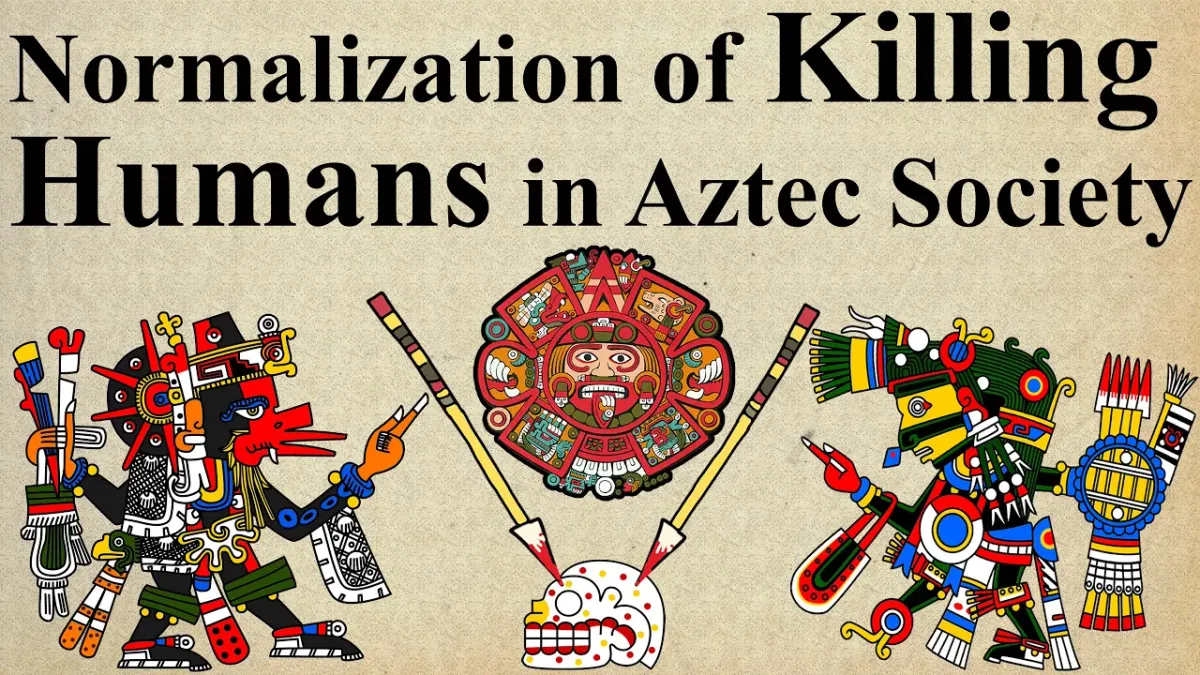
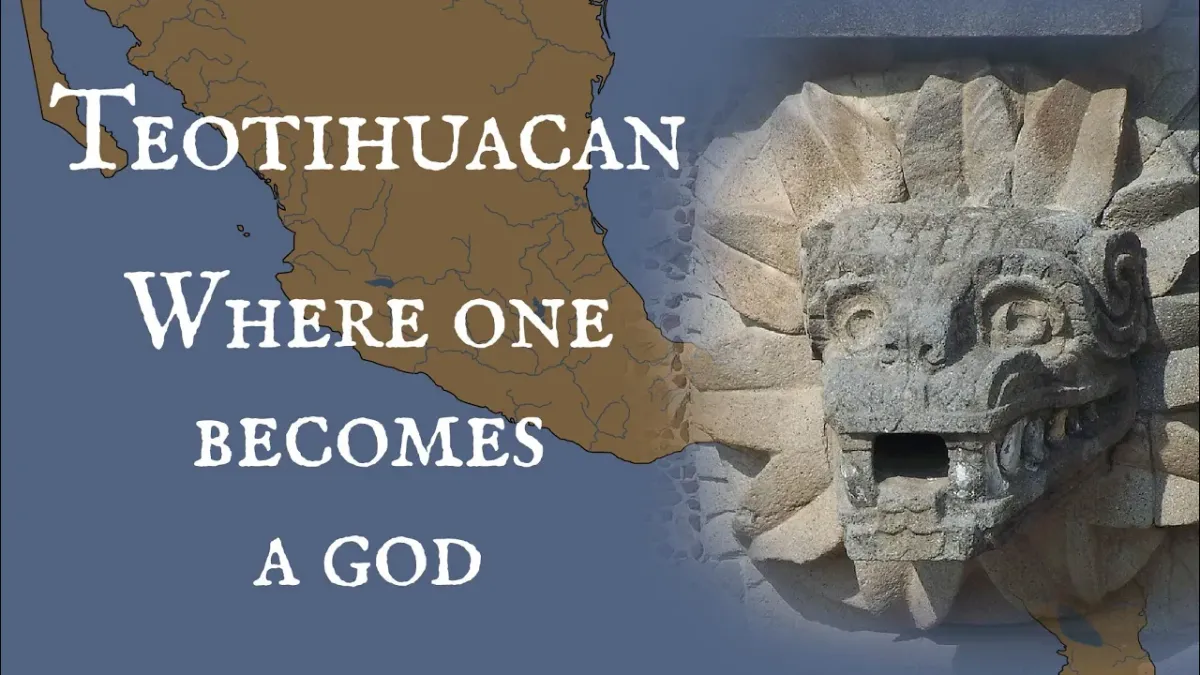
Teotihuacan: Where One Becomes a God
The ancient city of Teotihuacan is one of the greatest cities ever constructed in the Americas. It was a city that was remembered by subsequent cultures long after it was abandoned. Because it was never inhabited again, archaeologists can explore the entire city and try to reconstruct the life and history of this magnificent site. Let’s find out what made Teotihuacan such a spectacular city and culture.

How can you change someone's mind? (hint: facts aren't always enough) - Hugo Mercier
Why do arguments change people’s minds in some cases and backfire in others? Hugo Mercier explains how arguments are more convincing when they rest on a good knowledge of the audience, taking into account what the audience believes, who they trust, and what they value.