How in vitro fertilization (IVF) works - Nassim Assefi and Brian A. Levine
Infertility affects 1 in 8 couples worldwide. But in the last 40 years, more than 5 million babies have been born using in vitro fertilization (IVF). How does it work? Nassim Assefi and Brian A. Levine detail the science behind making a baby in a lab.
Lesson by Nassim Assefi and Brian A. Levine, animation by Kozmonot Animation Studio.
Thu May 07 2015 - Written by:
TED-Ed
In 1978, Louise Brown became the world’s first baby to be born by in vitro fertilization, or IVF. Her birth revolutionized the field of reproductive medicine.
Given that approximately one in eight heterosexual couples has difficulty conceiving, and that homosexual couples and single parents often need clinical help to make a baby, the demand for IVF has been growing. IVF is so common, that more than 5 million babies have been born through this technology.
IVF works by mimicking the brilliant design of sexual reproduction. In order to understand IVF, we first need to take a look at the natural process of baby making.
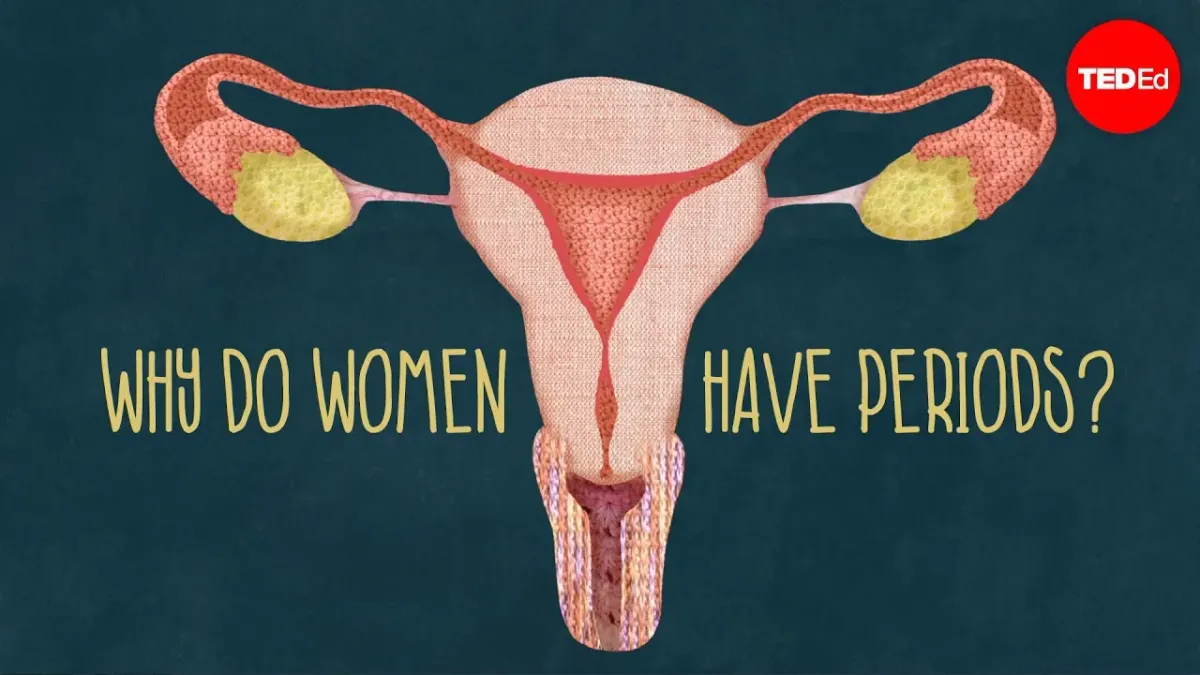
Believe it or not, it all starts in the brain. Roughly fifteen days before fertilization can happen, the anterior pituitary gland secretes follicle stimulating hormone, FSH, which ripens a handful of follicles of the ovary that then release estrogen. Each follicle contains one egg, and on average, only one follicle becomes fully mature. As it grows and continues to release estrogen, this hormone not only helps coordinate growth and preparation of the uterus, it also communicates to the brain how well the follicle is developing.
When the estrogen level is high enough, the anterior pituitary releases a surge of luteinizing hormone, LH, which triggers ovulation and causes the follicle to rupture and release the egg. Once the egg leaves the ovary, it is directed into the Fallopian tube by the finger-like fimbriae. If the egg is not fertilized by sperm within 24 hours, the unfertilized egg will die, and the entire system will reset itself, preparing to create a new egg and uterine lining the following month.
The egg is the largest cell in the body and is protected by a thick, extracellular shell of sugar and protein called the zona pellucida. The zona thwarts the entry and fusion of more than one sperm, the smallest cell in the body. It takes a man two to three months to make sperm, and the process constantly renews. Each ejaculation during sexual intercourse releases more than 100 million sperm. But only 100 or so will ultimately make it to the proximity of the egg, and only one will successfully penetrate through the armor of the zona pellucida.
Upon successful fertilization, the zygote immediately begins developing into an embryo, and takes about three days to reach the uterus. There, it requires another three or so days to implant firmly into the endometrium, the inner lining of the uterus. Once implanted, the cells that are to become the placenta secrete a hormone that signals to the ovulated follicle that there is a pregnancy in the uterus. This helps rescue that follicle, now called the corpus luteum, from degenerating as it normally would do in that stage of the menstrual cycle. The corpus luteum is responsible for producing the progesterone required to maintain the pregnancy until six to seven weeks of gestation, when the placenta develops and takes over, until the baby is born approximately 40 weeks later.
Now, how do you make a baby in a lab?
In patients undergoing IVF, FSH is administered at levels that are higher than naturally occuring to cause a controlled overstimulation of the ovaries so that they ultimately produce multiple eggs. The eggs are then retrieved just before ovulation would occur, while the woman is under anesthesia, through an aspirating needle that is guided by ultrasound.
Most sperm samples are produced by masturbation. In the laboratory, the identified eggs are stripped of surrounding cells and prepared for fertilization in a petri dish. Fertilization can occur by one of two techniques. In the first, the eggs are incubated with thousands of sperm and fertilization occurs naturally over a few hours. The second technique maximizes certainty of fertilization by using a needle to place a single sperm inside the egg. This is particularly useful when there is a problem with the quality of the sperm.
After fertilization, embryos can be further screened for genetic suitability, frozen for later attempted pregnancies, or delivered into the woman’s uterus via catheter. Common convention is to transfer the embryo three days after fertilization, when the embryo has eight cells, or on day five, when the embryo is called a blastocyst, and has hundreds of cells.
If the woman’s eggs are of poor quality due to age or toxic exposures, or have been removed due to cancer, donor eggs may be used. In the case that the intended mother has a problematic uterus, or lacks one, another woman, called the gestational carrier or surrogate, can use her uterus to carry the pregnancy.
To increase the odds of success, which are as high as 40% for a woman younger than 35, doctors sometimes transfer multiple embryos at once, which is why IVF results in twins and triplets more often than natural pregnancies. However, most clinics seek to minimize the chances of multiple pregnancies, as they are riskier for mothers and babies.
Millions of babies, like Louise Brown, have been born from IVF and have had normal, healthy lives. The long-term health consequences of ovarian stimulation with IVF medicines are less clear, though so far, IVF seems safe for women. Because of better genetic testing, delayed childbearing, increased accessibility and diminishing cost, it’s not inconceivable that artificial baby making via IVF and related techniques could outpace natural reproduction in years to come.