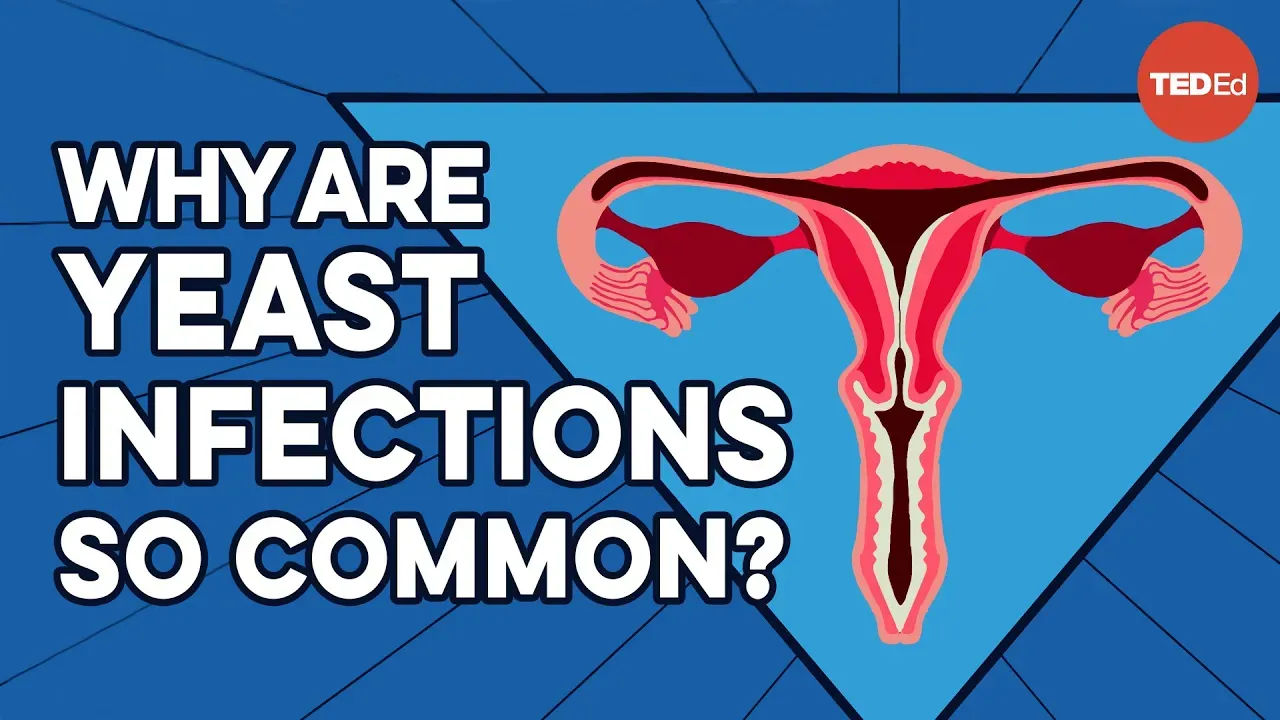
What causes yeast infections, and how do you get rid of them? - Liesbeth Demuyser
Explore the common causes and treatments of yeast infections, which affect 3 out of every 4 people with a vagina.
--
The vagina harbors hundreds of different kinds of microorganisms. Candida yeasts are usually present in small quantities and most of the time, these fungi are harmless. But, under certain conditions, Candida yeasts can cause infections. One species in particular is the usual culprit of vaginal yeast infections. So, how exactly does a yeast infection happen? Liesbeth Demuyser investigates.
Lesson by Liesbeth Demuyser, directed by Mette Ilene Holmriis, The Animation Workshop.
Thu Jul 14 2022 - Written by:
TED-Ed
The vagina harbors hundreds of different kinds of microorganisms. Some tend to be especially prevalent, like Lactobacilli. These bacteria produce an acid that lowers the vagina’s pH, limiting what can survive there and preventing against certain infections. Candida yeasts are also usually present in small quantities. Most of the time, these fungi are harmless. The body’s immune system keeps them in check while other microorganisms, like Lactobacilli, combat and outcompete them for nutrients and territory.
But under certain conditions, Candida yeasts can cause infections. One species in particular, called Candida albicans, is the usual culprit of vaginal thrush or yeast infections, which affect 3 out of every 4 people with a vagina. So, how exactly does a yeast infection happen?
Candida albicans yeasts are shapeshifters. And when the balance within the vagina is disrupted— like the pH increases or there are fewer microbes to compete with— Candida albicans may assume their disease-causing forms. They multiply and metamorphose— substituting their rounded structures for elongated thread-like forms called hyphae. Then, they secrete enzymes that degrade the epithelial cells lining the vagina and permeate the tissue. Immune cells rush to the site, generating some of the most recognizable symptoms of yeast infections: itching, burning, swelling, and redness.
These may also be accompanied by a change in vaginal discharge, the fluid that’s frequently flushed from the vagina to keep it healthy and clean. During a yeast infection, discharge may become thicker and whiter because the vagina is shedding more epithelial and Candida cells.
A few major factors, like antibiotic treatments and lower immunity, can make people more susceptible to vaginal yeast infections. When someone’s immune system is compromised, from illness or otherwise, their body may be unable to control Candida effectively. And in treating bacterial infections, antibiotics kill harmful bacteria, but they can also wipe out beneficial ones, like Lactobacilli, allowing Candida to multiply more easily.
Many other factors also help set the stage for yeast infections. Hormonal changes and diet alter the vaginal microbiome. Semen is relatively basic, so it can disrupt the vagina’s pH. Tight, non-breathable, and wet garments incubate moisture and are thought to facilitate a more Candida-friendly environment. Soaps can damage the protective mucus that coats the vagina, making it easier for Candida to permeate. That’s why many doctors recommend just gently washing the vulva with water. And it’s important to wipe from front to back to avoid introducing more Candida as well as other potentially harmful microbes to the vagina.
Most yeast infections are mild and clear up within two weeks. Antifungal medications usually offer dependable treatments by reducing the number of Candida cells, allowing the immune system and other microorganisms to regain control.
And interestingly, the solution to treating some yeast infections could be more yeasts. Preliminary studies with probiotics containing the harmless yeasts we use in brewing and baking have shown promise in keeping Candida in check while reducing inflammation.
But some yeast infections require more extensive therapies. About 5 to 10% of people with vaginas experience at least 4 yeast infections a year. For some of those, the cause seems to be genetic. Some people have gene variants that make it harder for their immune systems to recognize and regulate Candida cells. But why many others have recurrent infections is currently unclear— and requires a lot more research.
In fact, so does basically everything we’ve just talked about. We don’t know nearly enough about the vaginal microbiome. This is probably because of stigma and underfunding when it comes to topics that traditionally fall under the umbrella of “women’s health.” For instance, while erectile dysfunction affects a much smaller percentage of people than vaginal yeast infections, there’s about 6 times more research on the subject.
Hopefully, we’ll soon have a better understanding of the many microorganismal multitudes we contain— and how best to keep them in balance.