The surprising effects of pregnancy
Discover how pregnancy changes every organ in the body— from the heart, to the brain and kidneys— and what we still don’t know about it.
--
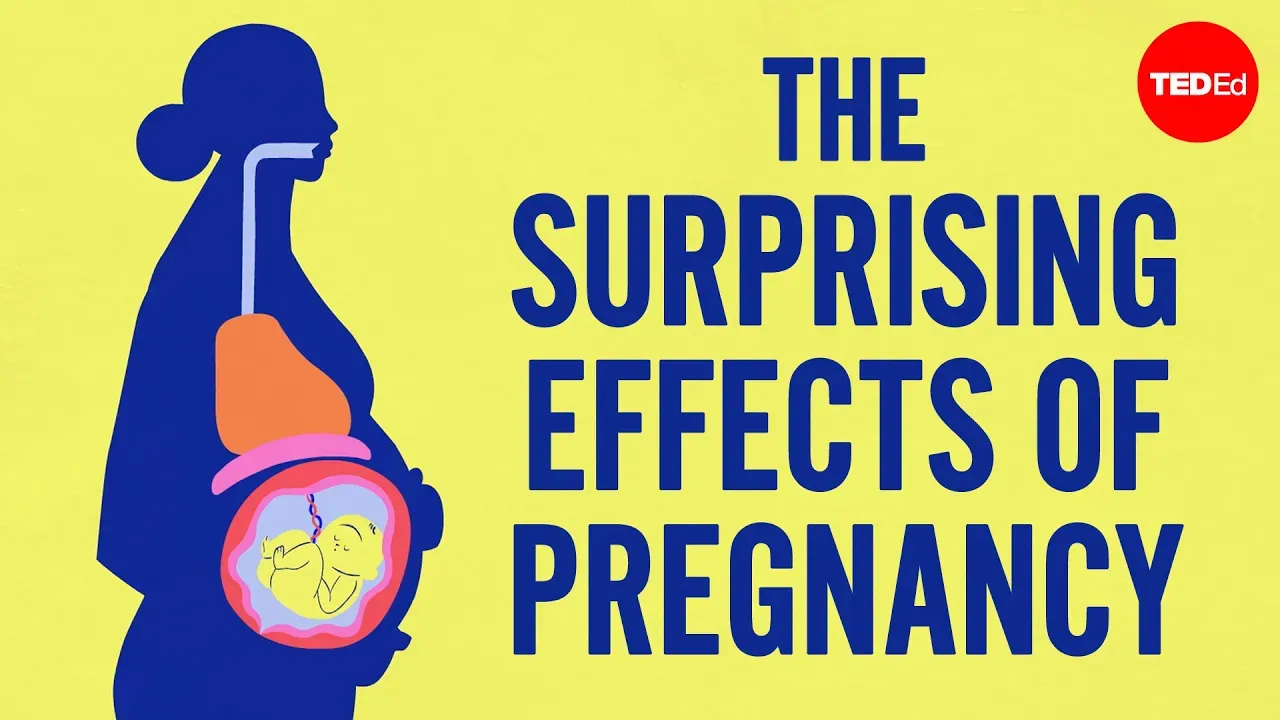
Muscles and joints shift and jostle. The heart’s pounding rhythm speeds up. Blood roars through arteries and veins. Over the course of a pregnancy, every organ in the body changes. Initiated by a range of hormones, these changes begin as soon as a pregnancy begins. Explore what we know— and don’t know— about pregnancy's effects on the body and brain.
Lesson by TED-Ed, directed by Roxane Campoy and Charlotte Cambon.
Thu Oct 01 2020 - Written by:
TED-Ed
Muscles and joints shift and jostle. The heart’s pounding rhythm speeds up. Blood roars through arteries and veins. Over the course of a pregnancy, every organ in the body changes. Ignited by a range of hormones, these changes begin as soon as pregnancy begins.
Just days after fertilization, the embryo implants in the lining of the uterus. Because its DNA doesn’t exactly match the mother’s, the immune system should theoretically recognize it as an invader, attack, and destroy it, like it would bacteria or other harmful microbes. That’s the challenge: the mother’s immune system needs to protect both her and the fetus, but can’t act as it usually does.
What happens is not as simple as decreasing the immune response. Instead, it’s a complex interaction we’re just beginning to understand, involving many different types of immune cells— some of which seem to protect the fetus from attack by other immune cells.
The body also creates an antibacterial plug made of mucus on the cervix, which keeps germs away and stays sealed until labor.
As a pregnancy progresses, the uterus expands upward and outward with the growing fetus. To make room, hormones called progesterone and relaxin signal muscles to loosen. The muscles that propel food and waste through the digestive tract also loosen, which makes them sluggish, causing constipation as passage through the tract slows down. Loosened muscles at the top of the stomach might allow acid to escape into the esophagus and throat, causing heartburn and reflux.
These changes can worsen morning sickness, which is caused in part by hormone HCG— and can also happen at other times of day.
As the uterus grows, it pushes on the diaphragm, the muscle that expands and contracts the chest with each breath. This limits the diaphragm’s range. To compensate, the hormone progesterone acts as a respiratory stimulant, making the pregnant woman breathe faster so both she and the baby can both get enough oxygen with less lung capacity. This all may leave the pregnant woman feeling short of breath.
Meanwhile, the kidneys make more erythropoietin, a hormone that increases red blood cell production. The kidneys also keep extra water and salt rather than filtering it out into urine to build up the volume of the blood. A pregnant woman’s blood volume increases by 50% or more. But it’s also a bit diluted, because it only has 25% more red blood cells.
Usually, the body makes blood cells using iron from our food. But during pregnancy, the fetus is also building its own blood supply from nutrients in the mother’s food— leaving less iron and other nutrients for the mother.
The heart has to work extra hard to pump all this blood through the body and placenta. A pregnant woman’s heart rate increases, but we don’t fully understand how blood pressure changes in a healthy pregnancy— an important area of research, because some of the most serious complications are related to the heart and blood pressure.
The expanding uterus may press on veins— causing fluid buildup in the legs and feet. If it presses on a large vein called the inferior vena cava, it might interfere with blood returning to the heart, causing a dizzying drop in blood pressure after standing for too long.
Some of these changes start to reverse even before birth. Shortly before delivery, the fetus drops down, decreasing the pressure on the diaphragm and allowing the pregnant woman to take deeper breaths. During labor and birth, much of the extra fluid in the body is lost when the water breaks. The uterus shrinks back down in the weeks after birth.
Like the rest of the body, pregnancy affects the brain— but its effects here are some of the least understood. Recent studies show differences in brain scans after pregnancy and early parenting, and suggest that these changes are adaptive. That means they could help with parenting skills, such as an increased ability to read facial cues since babies can’t talk.
The lack of information about pregnancy’s effects on the brain highlights a general truth: historically, almost all the research around pregnancy has focused on the fetus, rather than pregnant women.
Experiences of pregnancy vary widely, both within the range of healthy pregnancies and due to complicating health conditions— new research will help us understand why, and develop effective treatments where necessary.
In the meantime, every pregnancy is different, and it’s important to consult a doctor with any specific questions. Today, we’re turning an exciting corner, as more research is devoted to the astounding biology of pregnancy.